Category Archives: China usb flash drive manufacturers and suppliers

Real Differences Between USB 2.0, USB 3.0, and USB 3.2 in Custom USB Flash Drives
In the global promotional products and consumer electronics market, custom USB flash drives remain one of the most widely used tools for branding, data distribution, and corporate gifting. As a China based USB flash drive manufacturer, one of the most frequent questions from international buyers concerns the real differences between USB 2.0, USB 3.0, and USB 3.2.
Understanding these differences is essential not only from a technical perspective, but also from a cost, performance, and branding standpoint. This article explains in detail how each USB standard performs in real-world usage, how it affects production cost, and how Chinese USB flash drive factories help clients choose the most suitable option for their projects.
Why the USB standard matters in custom USB flash drive manufacturing
The USB version directly determines data transfer speed, user experience, compatibility, and perceived product value. While all USB flash drives may look similar externally, their internal technology significantly impacts how they perform once used by the end customer.
For a Chinese USB flash drive factory supplying global markets, offering the right USB standard allows buyers to balance price competitiveness, functionality, and brand positioning.
Choosing the wrong USB version can lead to unnecessary costs or poor end-user experience, which ultimately reflects on the buyer’s brand.
USB 2.0 flash drives: features and real performance
USB 2.0 remains the most widely produced standard in custom USB flash drives, especially for large-volume promotional orders.
Real-world speed of USB 2.0 flash drives
Although USB 2.0 has a theoretical maximum speed of 480 Mbps, real performance is significantly lower. In practice, USB 2.0 flash drives typically deliver:
-
Write speed: 5–15 MB/s
-
Read speed: 15–30 MB/s
These speeds are sufficient for documents, PDF catalogs, presentations, brochures, and basic marketing files.
Advantages of USB 2.0 for promotional campaigns
From a manufacturing perspective, USB 2.0 offers several advantages:
-
Lowest production cost
-
Stable and mature technology
-
Universal compatibility with old and new devices
For China USB flash drive factories, USB 2.0 is ideal for mass production, allowing competitive pricing for large orders used in exhibitions, conferences, and direct marketing campaigns.
Limitations of USB 2.0
The main drawback is speed. When transferring large files such as HD videos or software packages, USB 2.0 can feel slow, which may negatively affect the user experience.
From a branding perspective, USB 2.0 is perceived as basic or entry-level technology, making it less suitable for premium corporate gifts.
USB 3.0 flash drives: the best balance between cost and performance
USB 3.0 represents a major upgrade over USB 2.0 and is one of the most popular choices among international buyers sourcing from China.
Real-world speed of USB 3.0 flash drives
USB 3.0 has a theoretical speed of up to 5 Gbps. In real usage, high-quality USB 3.0 flash drives typically offer:
-
Read speed: 80–150 MB/s
-
Write speed: 20–80 MB/s
Performance depends on memory quality, controller, and factory production standards.
Why buyers choose USB 3.0 from Chinese factories
USB 3.0 provides a strong price-to-performance ratio, making it suitable for many applications, including:
-
Corporate training materials
-
Product catalogs with videos
-
Software distribution
-
Professional marketing kits
Chinese USB flash drive manufacturers can mass-produce USB 3.0 models while maintaining competitive costs and consistent quality.
Backward compatibility
USB 3.0 flash drives are fully backward compatible with USB 2.0 ports, ensuring wide usability while offering higher speeds on newer devices.
USB 3.2 flash drives: the high-end standard for modern applications
USB 3.2 is the most advanced option currently available in custom USB flash drives and is often positioned as a premium solution.
Real performance of USB 3.2 flash drives
USB 3.2 can reach theoretical speeds of up to 20 Gbps. In real-world production models, USB 3.2 flash drives deliver significantly faster data transfer than USB 3.0, especially when paired with high-grade memory chips.
This allows near-instant transfer of large files such as 4K videos, design files, and extensive databases.
USB 3.2 and USB-C flash drives
Most USB 3.2 flash drives use the USB-C interface, which is becoming standard on modern laptops, tablets, and smartphones.
For Chinese factories, USB 3.2 with USB-C represents the future of USB flash drive manufacturing, targeting:
-
Technology companies
-
Creative industries
-
Premium corporate gifts
-
Long-term branding campaigns
Branding advantages of USB 3.2
Custom USB 3.2 flash drives communicate innovation, high performance, and technological leadership. They are commonly used in high-value projects where brand image is critical.
Real-world differences between USB 2.0, 3.0, and 3.2
The difference between these standards becomes clear in daily use.
A USB 2.0 flash drive may take several minutes to transfer large files. USB 3.0 reduces this time significantly, while USB 3.2 makes data transfer almost instantaneous.
For end users, speed directly affects satisfaction. For brands, this satisfaction translates into a stronger and more positive brand perception.
How USB standards affect production cost in China
From a factory perspective, the USB version has a direct impact on manufacturing cost:
-
USB 2.0: lowest cost, best for large-volume promotions
-
USB 3.0: mid-range cost, ideal for professional use
-
USB 3.2: highest cost, premium positioning
A professional Chinese USB flash drive factory helps buyers choose the most cost-effective option based on budget, usage scenario, and marketing goals.
Choosing the right USB standard for different campaigns
For high-volume giveaways and price-sensitive campaigns, USB 2.0 remains a practical choice.
For corporate gifts, training programs, and professional use, USB 3.0 is often the preferred solution.
For premium branding, technology-driven campaigns, and future-proof products, USB 3.2 is the best option.
Compatibility and future trends in USB flash drives
While USB 2.0 and USB 3.0 remain widely compatible, the market trend is clearly moving toward USB-C and USB 3.2.
Chinese USB flash drive factories that invest in USB 3.2 production lines provide buyers with products that remain relevant for years, extending the promotional lifespan of the USB drive.
Common mistakes when choosing USB standards
One common mistake is selecting USB 2.0 purely based on price without considering the end-user experience. Another is choosing USB 3.2 when the target audience cannot benefit from its speed.
Experienced manufacturers guide buyers to avoid these issues by matching the USB standard to real usage needs.
Conclusion: choosing the right USB standard with a China USB flash drive factory
The real differences between USB 2.0, USB 3.0, and USB 3.2 in custom USB flash drives go far beyond technical specifications. They influence cost efficiency, user satisfaction, brand perception, and long-term value.
A professional China USB flash drive factory plays a key role in helping international buyers select the right standard, ensuring the final product meets both functional and marketing objectives.
Selecting the correct USB version is not just a technical decision it is a strategic choice that defines the success of a custom USB flash drive project.

How to Calculate the Number of Songs That Fit on Personalized USB Flash Drives
Personalized USB flash drives are not only excellent promotional tools but also practical storage devices for music, videos, and documents. Among the most common questions users ask is: how many songs can fit on a personalized USB flash drive?
The answer depends on several factors, including the storage capacity, file format, and audio quality of the songs. In this article, we’ll explore how to accurately calculate it and what aspects to consider when choosing the best USB flash drive for music.
1. Understanding the Storage Capacity of USB Flash Drives
In our China USB flash drives factory we produce various capacities, typically ranging from 1 GB to 256 GB or more. However, the actual usable capacity is slightly less than the nominal value due to formatting and the file system used.
For example:
-
A 4 GB USB actually provides around 3.7 GB of usable space.
-
A 16 GB USB offers around 14.8 GB of usable space.
-
A 64 GB USB provides about 59 GB for data storage.
Understanding this is crucial for making accurate estimates of how many songs can fit on your device.
2. Factors That Affect the Number of Songs
Not all songs take up the same amount of space. The file size depends on the format and bitrate (quality).
Here’s a general guide:
| Format | Bitrate | Approx. Size per Song (3–4 min) |
|---|---|---|
| MP3 | 128 kbps | 3 MB |
| MP3 | 192 kbps | 4.5 MB |
| MP3 | 256 kbps | 6 MB |
| MP3 | 320 kbps | 8 MB |
| WAV | Uncompressed | 30–40 MB |
| FLAC | Lossless | 15–25 MB |
As you can see, a song in MP3 format at 128 kbps will take up much less space than one in WAV or FLAC format.
3. How to Calculate the Number of Songs on a USB Drive
To estimate how many songs can fit on a personalized USB flash drive, use this simple formula:
Number of songs = (Usable capacity of the USB in MB) / (Average size of one song in MB)
Let’s look at some examples:
-
8 GB USB (≈7,400 MB) with MP3 songs at 128 kbps (3 MB per song):
7,400 ÷ 3 = 2,466 songs approximately. -
16 GB USB (≈14,800 MB) with MP3 at 192 kbps (4.5 MB per song):
14,800 ÷ 4.5 = 3,288 songs approximately. -
32 GB USB (≈29,600 MB) with MP3 at 320 kbps (8 MB per song):
29,600 ÷ 8 = 3,700 songs approximately. -
64 GB USB (≈59,000 MB) with FLAC songs (20 MB per song):
59,000 ÷ 20 = 2,950 songs approximately.
These figures are estimates, but they help determine how much storage you’ll need depending on your musical needs or marketing objectives.
4. The Purpose of the Personalized USB Flash Drive
When choosing the storage capacity of your personalized USBs, consider how they will be used:
-
For promotional use:
If you plan to distribute the USBs at events or trade shows, a 4 GB or 8 GB model is usually sufficient to include promotional songs, company information, or videos. -
For professional use:
If the USBs are intended for musicians, DJs, or record labels, choose at least 32 GB or 64 GB, as audio files at higher bitrates or in lossless formats require much more space. -
For personal gifts:
A 16 GB USB can be ideal for including curated playlists, wedding music, or anniversary songs.
5. File Format Considerations
The MP3 format remains the most popular for its balance between quality and compression. However, if your goal is to preserve the best possible sound quality, FLAC or WAV may be more suitable formats, though they significantly reduce the number of songs you can store.
If your clients or recipients will listen to the music on different devices (computers, car stereos, smart TVs), MP3 is the safest and most compatible option.
6. Choosing the Right Personalized USB Flash Drive
Apart from capacity, design and material are key when selecting personalized USB drives. Many companies now offer eco-friendly USB drives made from bamboo, wood, or recycled materials, combining sustainability with functionality.
Other models, such as metal or leather USBs, add a premium look that’s ideal for business gifts or corporate presentations.
In addition, it’s possible to choose USB 3.0 or 3.1 versions that offer faster data transfer speeds — perfect if you’re loading hundreds of songs or large files.
7. Example of Storage Distribution by Capacity
| Capacity | Approx. Number of Songs (MP3 128 kbps) | Approx. Number of Songs (MP3 320 kbps) |
|---|---|---|
| 4 GB | 1,200 | 500 |
| 8 GB | 2,400 | 950 |
| 16 GB | 4,800 | 1,900 |
| 32 GB | 9,600 | 3,700 |
| 64 GB | 19,200 | 7,400 |
| 128 GB | 38,400 | 14,800 |
This table gives a general overview that can help when planning how much music to include on each USB model.
8. Why Choose Personalized USB Flash Drives for Music
Customized USB flash drives are perfect for marketing and branding campaigns in the music industry. Artists can deliver their albums or playlists in a unique, branded format. Companies can use them as promotional gifts, preloaded with soundtracks, jingles, or corporate audio content.
In addition to being practical, they represent a modern and innovative way to share music or information while promoting a brand effectively.
9. Final Thoughts
Calculating the number of songs that fit on a personalized USB flash drive is straightforward once you understand the relationship between file size and storage capacity.
Choosing the right USB capacity depends on your purpose, whether it’s a corporate giveaway, a music album release, or a special event gift.
In every case, personalized USB drives remain one of the most versatile, durable, and attractive promotional tools available — capable of carrying your brand’s message and your music anywhere in the world.

Why Promotional USB Drives are a Web Designer’s Ultimate Tool
In the digital realm where web designers operate, the currency of trade is creativity, code, and client trust. Their portfolios are not merely collections of work; they are meticulously crafted experiences designed to showcase expertise, innovation, and attention to detail. For these digital artisans, the tools they use to present their work must be as refined as the websites they build. While a cloud link sent via email is functional, it is often forgettable. In an age of digital saturation, the most forward-thinking web designers are rediscovering a powerful, tangible tool to elevate their brand: the promotional USB flash drives China Factory for web designers.
This is not a discussion about simple data transfer. This is an exploration of how a strategically deployed, custom-branded USB drive can transform a web designer’s business development, client onboarding, and overall professional perception. It bridges the intimidating gap between the intangible digital world and the reassuring physical one, creating a memorable touchpoint that purely digital interactions cannot replicate.
The Tangible Advantage in an Intangible World
A web designer’s work lives on screens, but their clients exist in a physical reality. The act of handing a client or prospect a beautifully designed USB drive is a multi-sensory experience. The weight of the device, the texture of its casing, the visual impact of the logo—all these elements work in concert to create a powerful impression of quality and permanence.
Consider the psychology at play. An email with a link is transient; it can be archived, deleted, or lost in a crowded inbox. A physical object, however, has presence. It sits on a desk, gets placed in a drawer, and serves as a constant, subtle reminder of the designer’s brand. Every time a client glances at that drive, the designer’s name is reinforced. This physical touchpoint builds a level of trust and credibility that a faceless digital file struggles to achieve. It signals that the designer has invested not only in their digital craft but also in the tangible quality of their client relationships.
Strategic Applications for a Web Designer’s Workflow
The utility of promotional USBs extends far beyond a simple “hello.” Savvy designers integrate them into various stages of their workflow, leveraging their functionality for maximum impact.
1. The Ultimate Portfolio Presentation
Instead of directing potential clients to a generic portfolio website, a designer can curate a “Director’s Cut” of their best work directly onto a branded USB drive. This allows for the presentation of high-fidelity video walkthroughs, interactive prototypes, and full-resolution image galleries without the compression and loading times of a web browser. The designer controls the narrative entirely, ensuring the prospect sees their work in the best possible light, free from browser inconsistencies or slow internet connections. It is a premium, uninterrupted showcase of their capabilities.
2. Streamlining the Client Onboarding Process
The beginning of a client relationship is crucial. A disorganized onboarding can set a negative tone, while a smooth, professional one builds immediate confidence. A designer can pre-load a branded USB drive with essential documents: the signed contract, a detailed project questionnaire, brand guideline templates, welcome videos, and links to necessary project management tools. This “Welcome Kit” transforms a potentially chaotic exchange of emails into a single, elegant, and highly organized package. It demonstrates meticulous preparation and respect for the client’s time.
3. The Grand Finale: Project Delivery and Archiving
Upon project completion, the delivery of the final assets is a milestone worth celebrating. Emailing a ZIP file is anticlimactic. Instead, presenting the client with a custom USB drive containing all the final source files, licensed fonts, documentation, and a guide for their new website is an event. It feels like a true delivery of a product, providing a sense of closure and value. Furthermore, it acts as a physical archive—a “black box” for the project that the client can store safely, ensuring they always have access to their digital assets, even if cloud services change or emails are lost.
4. A High-Impact Trade Show and Networking Tool
At industry events, SEO compete for attention. While business cards are standard, a well-designed USB drive is a conversation starter. Pre-loaded with a digital portfolio, a PDF rate card, and a special “event-only” offer, it becomes a powerful lead generation tool. It has a perceived value far higher than a piece of paper, ensuring it is kept and, more importantly, explored later when the prospect is back at their desk.
Key Considerations for Designing the Perfect Promotional USB
Not all USB drives are created equal. For a web designer, whose brand is built on aesthetics and functionality, the choice of drive is a direct reflection of their brand identity.
Form and Aesthetics:
-
Style: The market offers a vast array of styles, from the classic swivel and retractable models to sleek, credit-card-shaped drives and unique custom shapes. A minimalist designer might opt for a clean, metal slider drive, while a more creative agency could choose a custom-molded drive in the shape of their logo.
-
Printing Quality: High-resolution digital printing or elegant laser engraving can make all the difference. The logo and URL should be crisp, clear, and durable. This is not the place to cut corners; a blurry, cheap-looking print job will undermine the entire effort.
-
Material: The choice of material—brushed metal, recycled plastic, sustainable wood—sends a message. A metal drive conveys premium quality and durability, while a bamboo or recycled drive communicates an commitment to eco-friendliness and modern values.
Function and Capacity:
-
Storage Capacity: This is a critical decision. A 4GB drive may be sufficient for a portfolio PDF and a video, but it is meager by today’s standards. For delivering full web design assets or a comprehensive welcome kit, 16GB or 32GB is a more respectable and practical choice. Offering ample space reinforces a message of generosity and thoroughness.
-
USB Spec: Opting for USB 3.0 or higher is a wise choice. It demonstrates that the designer is technologically current and values the client’s time, ensuring fast file transfers. In a world moving toward USB-C, offering a drive with a dual USB-A/USB-C interface can be a incredibly thoughtful touch for clients with modern laptops.
The Pre-Loaded Content Strategy:
The empty USB drive is a blank canvas, but the pre-loaded one is a strategic asset. Designers should consider what software they use to create a seamless experience. Instead of loose files, they could include:
-
A beautifully designed
index.htmlfile that acts as a local menu for the content. -
A pre-configured portable application that opens their interactive prototype.
-
A well-structured folder system that makes navigation intuitive.
This level of organization showcases the designer’s skill in User Experience (UX) design even in this micro-format.
Measuring the Return on Investment
The cost of a batch of custom USB drives is a tangible marketing expense. How does a web designer justify it? The return is measured not just in direct sales, but in enhanced brand perception and client loyalty.
A designer can track the effectiveness by using custom short URLs on the drive itself or in the accompanying materials, allowing them to see how many recipients visit their site from the drive. They can also directly attribute new projects to the memorable impression the USB drive made during a pitch. Furthermore, the time saved in streamlined onboarding and the reduction in “I lost the file” client emails provide a significant operational return on investment.
A Lasting Impression in a Disposable Digital World
For the modern web designer, every interaction is an opportunity to demonstrate their unique value proposition. In a landscape cluttered with digital noise, the promotional USB flash drive offers a rare and valuable commodity: tangible memorability. It is a piece of functional art that embodies a designer’s commitment to quality, detail, and the human side of their client relationships.
It is more than a storage device; it is a physical extension of a digital portfolio, a key to a seamless client experience, and a durable ambassador for a designer’s brand. By embracing this classic yet innovative tool, web designers can leave a lasting impression that truly sticks.
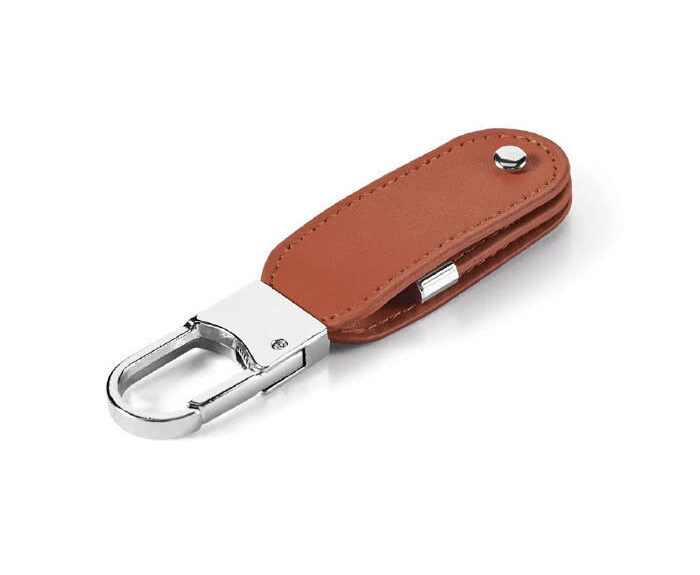
Why Leather USB Flash Drives With Logo Are Good and Smart for Business Promotion
In the modern world of corporate marketing, businesses constantly seek innovative ways to promote their brand while leaving a lasting impression on clients and partners. Among the wide range of promotional products available today, leather USB flash drives China Factory with logo have emerged as one of the most elegant, practical, and smart tools for business promotion. Combining style, functionality, and durability, these USB drives stand out as a premium promotional choice that reflects professionalism and sophistication.
A Blend of Luxury and Functionality
Unlike standard plastic or metal USB drives, leather USB flash drives offer a unique blend of luxury and practicality. The leather exterior provides a refined appearance, making the device feel more like a premium accessory than a simple data storage tool. This sense of luxury makes them especially appealing for companies that want to align their branding with quality and class.
When a company gives a leather USB drive imprinted with its logo, it conveys a subtle yet powerful message: attention to detail, commitment to excellence, and appreciation for aesthetics. These qualities resonate strongly with clients and partners, helping to build trust and reinforce the company’s reputation for professionalism.
Durability and Long-Term Brand Exposure
Leather is well-known for its durability and resistance to wear and tear. When used to cover a USB flash drive, it adds a protective layer that extends the life of the device. This makes leather USB flash drives not only stylish but also long-lasting.
From a marketing perspective, this longevity translates directly into extended brand visibility. Each time the recipient uses the USB drive — whether to store files, share presentations, or back up documents — they are reminded of the brand printed or engraved on the device. Unlike other short-lived promotional items such as pens or brochures, a well-made leather USB drive can be used for years, ensuring continuous brand exposure.
Professional Appeal for Corporate Gifts
Leather has always been associated with professionalism and sophistication. It is used in executive accessories such as planners, wallets, and business card holders — and now in promotional technology items. For this reason, leather USB drives make excellent corporate gifts for clients, employees, or business partners.
Companies can use them as part of welcome packages, product launches, or at trade shows and conferences. When given as a corporate gift, a leather USB with logo conveys appreciation and professionalism. Recipients perceive it as a thoughtful and valuable present rather than a low-cost promotional item. This perception enhances the company’s image and helps establish strong business relationships.
Customization Options to Reflect Brand Identity
One of the most significant advantages of leather USB flash drives is their high degree of customization. Businesses can personalize the devices with their logo through various printing techniques, such as embossing, laser engraving, or hot stamping. The logo can be complemented with brand colors, metallic accents, or even custom packaging to create a cohesive promotional experience.
Furthermore, leather USBs come in a wide range of designs and capacities. From classic swivel styles to magnetic-clasp models, and from 4GB to 128GB or more, companies can select the model that best suits their promotional goals and target audience. The ability to tailor every detail ensures that the product aligns perfectly with the company’s brand personality and marketing objectives.
Practical Use in Everyday Business
Beyond their aesthetic value, leather USB flash drives serve a highly practical purpose. In the business world, data sharing remains an essential activity despite the rise of cloud storage. A USB flash drive remains one of the most convenient tools for transferring files quickly and securely.
Employees, clients, and collaborators can use the device to share presentations, proposals, or marketing materials. Because it serves a genuine purpose, the USB drive is unlikely to be discarded or forgotten. Each use reinforces the company’s visibility, effectively turning the USB drive into a daily reminder of the brand.
Eco-Friendly and Sustainable Options
Today’s businesses are increasingly aware of their environmental responsibilities, and promotional products are no exception. Many leather USB manufacturers now offer eco-friendly options made from recycled leather or vegan leather alternatives. These materials maintain the same premium look and feel as genuine leather but reduce the environmental impact.
By choosing sustainable materials, a company not only promotes its brand but also demonstrates a commitment to ethical and eco-conscious values. This approach appeals to modern consumers who appreciate brands that care for the planet. A custom eco-leather USB drive can therefore serve both as a marketing tool and as a symbol of corporate social responsibility.
An Effective Tool for Brand Differentiation
In a crowded marketplace, differentiation is key to brand success. Many companies use the same types of promotional products — pens, notebooks, or keychains — which often fail to stand out. A leather USB flash drive with a custom logo, however, immediately captures attention. Its unique material and elegant design distinguish it from conventional giveaways.
When potential clients receive such a stylish and practical item, they are more likely to remember the brand behind it. This memorability can play a crucial role in influencing purchasing decisions and fostering long-term business relationships. In other words, leather USB drives not only promote brand recognition but also help companies rise above the competition.
Ideal for Premium Branding and Events
Luxury promotional items are particularly effective in high-profile settings such as business conferences, corporate meetings, and executive events. A leather USB drive fits perfectly into this environment, enhancing the perceived value of a brand.
For example, a company might distribute leather USB drives preloaded with digital brochures, presentations, or catalogs during an event. This not only provides recipients with useful information but also creates a sense of exclusivity and sophistication. When the logo is elegantly displayed on the leather surface, it reinforces brand prestige and professionalism.
Ease of Custom Production and Global Availability
With the expansion of global manufacturing, businesses can now source leather USB drives directly from specialized factories, particularly in China. These factories offer high-quality craftsmanship, fast production times, and competitive pricing. Companies can easily order large quantities, customize their design, and have their products shipped worldwide.
This accessibility makes leather USB drives a cost-effective promotional solution even for small and medium-sized businesses. Whether used for internal employee gifts or external marketing campaigns, the result is a professional, attractive product that enhances the company’s image on a global scale.
A Smart Investment in Brand Visibility
Investing in leather USB flash drives with logo is a strategic marketing decision that delivers both short-term and long-term benefits. In the short term, they help attract attention and generate goodwill during promotions and events. In the long term, their durability and usability ensure continuous brand exposure over months or even years.
Compared to other forms of advertising such as digital ads or printed flyers promotional USB drives offer tangible and lasting value. They provide a physical connection between the company and the recipient, reinforcing brand recall every time the drive is used.
Conclusion About Leather USB Flash Drive China Factory
In conclusion, leather USB flash drives with logo are more than just promotional giveaways they are powerful marketing tools that combine luxury, functionality, and long-term visibility. Their elegant appearance and practical use make them suitable for a wide range of corporate applications, from executive gifts to event promotions. With customization options, eco-friendly alternatives, and global accessibility, they represent a smart and stylish choice for businesses seeking to enhance their brand image.
By choosing leather USB flash drives as part of their promotional strategy, companies can project sophistication, durability, and professionalism qualities that resonate deeply in the corporate world. Ultimately, this elegant accessory not only stores data but also carries the essence of the brand itself, creating a lasting impression wherever it goes.

USB Flash Drives for Photographers: The Perfect Tool for Storing and Delivering Memories
In the fast-paced world of photography, where high-definition images and videos dominate, having a reliable and stylish way to store and deliver digital files is essential. Photographers not only need safe storage for their work, but also a professional method to present it to clients. This is where USB flash drives for photographers come in. These compact devices combine practicality, speed, and branding opportunities, making them a favorite among professionals who value both functionality and aesthetics.
This article explores why USB flash drives have become indispensable for photographers, the benefits they offer, the customization options available, and how they enhance the client experience. It also examines why many professionals prefer them over cloud services or traditional discs.
A Reliable Storage Solution for High-Resolution Files
Photography today is no longer limited to small JPEGs. High-resolution RAW images, 4K videos, and edited files consume large amounts of storage space. A single wedding album, for example, can easily require several gigabytes. Photographers need a device that can handle such data without compromising speed or reliability.
USB flash drives provide exactly that. With capacities ranging from 8GB to 256GB or more, they allow photographers to deliver hundreds or even thousands of photos in one compact device. Modern USB 3.0 and USB-C models also ensure faster transfer speeds, making the process of loading and sharing files more efficient. Unlike older DVDs or CDs, which have limited capacity and are prone to scratches, USB drives remain durable and practical for modern workflows.
Professional Presentation for Clients
For photographers, presentation is just as important as the quality of the images. Clients who invest in professional services expect a memorable experience not only during the photo session but also when receiving their final images. USB flash drives provide an elegant solution.
Instead of giving clients a generic online link, photographers can deliver a beautifully customized USB drive, often packaged in a matching wooden, leather, or crystal box. This transforms the delivery into a physical keepsake that feels exclusive and premium. For weddings, baby shoots, christmas photo or corporate projects, the tactile value of a branded USB adds a personal and professional touch that digital-only delivery cannot match.
Customization Options for Branding
One of the main advantages of USB flash drives for photographers is their customization potential. Manufacturers offer endless options in terms of materials, shapes, and printing methods. A photographer can choose a wooden USB engraved with their logo, a sleek metal drive with laser engraving, or even a crystal USB that lights up with LED when plugged in.
The packaging can also be personalized. From eco-friendly bamboo cases to elegant leather boxes or premium magnetic-closure gift sets, these details reflect the photographer’s brand identity. Every aspect of the USB package becomes part of the overall client experience. For marketing purposes, it also serves as a constant reminder of the photographer’s services whenever clients use the USB.
Durability and Long-Term Value
Unlike cloud links that may expire or DVDs that get scratched, USB flash drives are highly durable. Most models are designed to resist shocks, dust, and even water splashes. For photographers who deal with weddings, corporate projects, or events that clients will treasure for a lifetime, offering a secure physical backup is a strong value proposition.
Additionally, clients appreciate having a tangible object they can keep for years. Many people still prefer owning a physical device with their photos instead of depending solely on digital links that may get lost in emails or forgotten in cloud accounts. USBs, therefore, provide peace of mind for both the photographer and the client.
A Competitive Advantage in the Photography Industry
The photography market is highly competitive. Professionals must differentiate themselves not only through their artistic vision but also through the overall customer experience they provide. Offering a personalized USB drive as part of the service helps create a strong impression.
Clients are more likely to recommend a photographer who delivers not only beautiful images but also a stylish, branded USB package. This extra effort sets professionals apart from those who rely solely on online galleries. For studios targeting premium clients, this distinction can be a decisive factor in building long-term relationships and generating referrals.
USB Flash Drives vs. Cloud Delivery
Some photographers rely exclusively on cloud platforms to deliver their work. While this method is fast and convenient, it has limitations. Clients may face issues with expired links, forgotten passwords, or internet connectivity problems. In contrast, a USB flash drive requires no internet access and provides immediate access to the files.
That said, many professionals combine both methods. They provide an online gallery for instant preview and a USB flash drive for the final delivery. This hybrid approach ensures convenience while also adding a tangible and premium element to the experience.
Eco-Friendly Options for Sustainable Brands
Sustainability has become an important factor for modern clients, especially in creative industries. Many USB manufacturers now offer eco-friendly models made from bamboo, recycled wood, wheat straw, or biodegradable materials. Photographers who want to position their brand as environmentally responsible can take advantage of these alternatives.
By combining eco-friendly materials with professional branding, photographers can meet client expectations while also contributing to a more sustainable industry. This not only strengthens their brand image but also appeals to environmentally conscious clients.
The Role of Packaging in Photography USBs
The USB drive is only part of the experience. The packaging plays a crucial role in how clients perceive the delivery. Premium cases with custom engraving, velvet interiors, or magnetic closures elevate the unboxing moment and make the delivery unforgettable.
Photographers often use packaging to add a personal touch, such as including a thank-you note, a printed photo, or even a small booklet. This turns the USB delivery into a complete storytelling experience that clients will cherish.
Conclusion About USB Flash Drives For Photographers
For photographers, USB flash drives are far more than simple storage devices. They are powerful tools that combine reliability, customization, branding, and presentation into one product. By delivering photos in a customized USB flash drive—often accompanied by elegant packaging photographers provide clients with a lasting keepsake that reflects professionalism and care.
In an industry where experience is as important as the final images, USB flash drives help photographers stand out, build stronger client relationships, and add value to their services. Whether through classic wooden models, modern crystal designs, or eco-friendly bamboo options, these devices embody both functionality and style. For any photographer seeking to elevate their brand and deliver unforgettable memories, USB flash drives remain an essential investment.

What Is Read and Write Speed in Custom USB Flash Drives?
In the world of promotional marketing, custom USB flash drive China factory has become a powerful tool to boost brand visibility and add value at events, trade shows, corporate campaigns, or institutional giveaways. However, beyond their attractive design or printed logo, there are technical factors that can make a difference in the user experience. One of the most important — and often overlooked — is the read and write speed.
Understanding this technical aspect is essential both for companies that purchase these devices in bulk and for end users who receive them as gifts. Below is a detailed explanation of what read and write speed means, how it affects everyday use, which factors determine it, and why it should be considered when choosing custom USB drives.
What Is Read and Write Speed?
The read and write speed of a USB flash drive refers to how fast data is transferred between the device and a computer or another compatible system. This performance is typically measured in megabytes per second (MB/s) and determines how quickly files can be copied, saved, or accessed from the drive.
-
Read speed: refers to how fast the flash drive can open or transfer files from the device to another system.
-
Write speed: refers to how fast files can be saved onto the flash drive.
Both are critical, but write speed can be especially limiting when working with large files such as HD videos, databases, or heavy presentations.
Why Is Speed Important in Custom USB Drives?
Many companies choose to deliver custom USB drives preloaded with content like product catalogs, corporate videos, technical sheets, PDFs, or promotional documents. If the write speed is too low, uploading files to hundreds of units can become slow and inefficient.
From the end user’s perspective, a USB drive that takes too long to copy files creates a poor experience and may lead to a negative perception of the brand. On the other hand, a fast and reliable USB drive conveys professionalism, quality, and attention to detail.
USB Types and Their Impact on Speed
One of the most significant factors affecting transfer speed is the version of the USB port used in the flash drive. Over time, several generations of USB interfaces have been developed, each offering improved performance:
-
USB 2.0: the most common and budget-friendly option. Its theoretical maximum speed is 60 MB/s, but actual performance is typically 10–20 MB/s read and 5–10 MB/s write.
-
USB 3.0: a considerable improvement, offering theoretical speeds of up to 640 MB/s. Real-world performance usually reaches 100–150 MB/s read and 40–100 MB/s write, depending on the chip.
-
USB 3.1 / 3.2 and USB-C: advanced versions designed for high-speed performance. These can exceed 300 MB/s and are suited for more demanding use, though they are more expensive.
For high-value campaigns such as premium product launches, VIP events, or important business gifts, it’s worth investing in higher-speed versions.
Factors That Affect USB Flash Drive Speed
Beyond the USB version, several other elements influence the actual performance of a custom USB drive:
-
Memory chip quality: Low-cost USB drives often use cheaper chips, which significantly reduce speed.
-
Internal controller: The component that manages data transfers also impacts overall speed.
-
File size: Larger files often transfer faster than many small ones, as the system doesn’t need to stop and restart repeatedly.
-
Operating system and port compatibility: For example, using a USB 3.0 flash drive in a USB 2.0 port will limit speed.
-
File system format: Formats like FAT32, exFAT, or NTFS can also influence performance depending on the file types and system in use.
How Can Read and Write Speed Be Tested?
There are several free tools available to test the actual performance of a USB flash drive. Some of the most popular include:
-
CrystalDiskMark (Windows)
-
Blackmagic Disk Speed Test (Mac)
-
USBDeview (by NirSoft)
These programs provide a quick and accurate way to measure real read and write speeds, helping buyers verify whether the device delivers on the manufacturer’s promises.
Recommended Speeds for Business and Promotional Use
For businesses using custom USB drives for promotional purposes, the ideal read/write speed depends on the campaign type:
-
For large-scale giveaways at trade shows or public events, mid-range USB 2.0 drives are generally sufficient when preloaded with lightweight files.
-
For targeted marketing efforts where the flash drive includes key digital content (presentations, HD videos, product demos), it’s wise to invest in USB 3.0 drives with high-quality chips.
-
For high-end uses such as premium client gifts or large multimedia files, it’s best to choose USB 3.1 or USB-C drives, compatible with newer laptops and devices.
Common Mistakes When Choosing USB Drives Without Considering Speed
Many businesses make the mistake of selecting USB drives based solely on price or appearance. This can lead to several issues:
-
Customers may complain about slow performance.
-
Uploading files during production may take hours.
-
A poor user experience can damage the brand’s image.
That’s why balancing design, capacity, speed, and cost is essential when selecting the right model for a campaign.
Future Trends in USB Flash Drive Speed
Technology continues to evolve, and so does USB flash drive speed. Custom USB-C flash drives are already gaining traction, and with the upcoming USB 4.0 standard, read and write speeds may soon exceed 4,000 MB/s.
This evolution will not only enhance efficiency but also change the way USB flash drives are used in marketing, enabling brands to offer more immersive and interactive digital experiences.
Conclusion about Read and Write Speak USB Flash Drive China Factory
Custom USB flash drives are much more than just branded giveaways. When chosen carefully, they become powerful tools for branding, customer engagement, and digital content delivery. Among the most critical technical aspects, read and write speed stands out as a key performance indicator that affects both functionality and brand perception.
Understanding how this speed works, what influences it, and what USB versions offer the best value allows companies to make better-informed decisions when purchasing promotional USB drives in bulk. Choosing a well-balanced model in terms of design, storage, and speed ensures a positive user experience and reinforces the company’s professional image.
Ultimately, investing in faster USB drives is an investment in customer satisfaction and brand reputation — a small technical detail that makes a big difference.

Custom USB Flash Drives Bulk Manufacturer China
In today’s digital and fast-paced business environment, USB flash drives continue to be one of the most popular and practical promotional products. They combine utility with branding power, and their compact format makes them ideal for giveaways, corporate gifts, and marketing campaigns. Among global suppliers, China stands out as a leading manufacturer of custom USB flash drives in bulk, offering competitive prices, a wide range of customization options, and fast production turnaround.
Chinese USB factories, particularly those that specialize in bulk manufacturing, have built a solid reputation over the years by delivering quality, reliability, and service. As one of these manufacturers, this article explores why companies worldwide trust China for their USB needs, the advantages of ordering in bulk, customization opportunities, and the process involved in creating branded USB flash drives tailored to clients’ exact requirements.
Why Choose a Chinese Manufacturer for Bulk Custom USB Flash Drives?
China has become the global hub for electronics manufacturing, and USB flash drives are no exception. Thousands of businesses — from startups to multinational corporations — rely on Chinese USB Flash Drives Manufacturer and Chinese USB factories for several compelling reasons:
1. Cost Efficiency at Scale
Chinese manufacturers offer some of the most competitive pricing in the market. When purchasing USB flash drives in bulk, economies of scale significantly reduce the per-unit cost. This allows resellers, marketing agencies, and end clients to optimize their promotional budget without sacrificing quality.
2. Full Customization Options
Whether a company wants their logo printed on a standard USB stick or a completely custom-molded shape that represents their brand, Chinese bulk USB factories offer unlimited possibilities. Clients can choose from various materials (metal, wood, plastic, rubber, bamboo), USB versions (2.0, 3.0, 3.1, USB-C), and memory capacities ranging from 1GB to 256GB or more.
3. Fast Lead Times and Mass Production Capacity
Thanks to advanced production lines, automated assembly, and experienced staff, USB flash drive manufacturers in China can handle large orders within short timeframes. Bulk orders of thousands of pieces can be fulfilled efficiently and shipped worldwide with logistics partners.
4. Quality Assurance and Testing
Established factories implement strict quality control procedures during production. Every flash drive undergoes rigorous functionality and durability testing to ensure the end product works as intended, stores data securely, and has a long lifespan.
Services Offered by a Chinese USB Flash Drive Factory
A reliable bulk USB flash drive manufacturer in China offers a full-service production process, tailored to meet the needs of resellers, distributors, promotional product agencies, and corporate buyers. Here is an overview of the services typically included:
Custom Design & Branding
Clients are encouraged to provide their artwork, logo, or branding guidelines. Designers at the factory prepare digital mock-ups or 3D previews for approval. This stage also includes choosing USB shapes, colors, print methods (silk screen, full-color, laser engraving), and packaging options.
Preloading Services
For corporate events, product launches, or educational use, clients can request data preloading. This includes inserting PDF brochures, presentations, software installers, video content, or catalogues. Options for non-erasable files or auto-run functions are also available.
Packaging Customization
Packaging is an essential part of the product presentation. USB manufacturers in China offer a variety of branded packaging options, such as eco-friendly kraft boxes, tin boxes, magnetic boxes, blister packs, and custom-molded boxes. Each can be personalized with the client’s logo or message.
Global Shipping & Logistics Support
Bulk USB factories in China typically have well-established shipping partnerships and offer international delivery via air, sea, or express courier services. Clients are guided through the process with options like DDP (Delivery Duty Paid) or FOB (Free on Board), depending on the preferred incoterms.
The Manufacturing Process of Custom USB Flash Drives
Bulk production of USB flash drives in China follows a streamlined process that ensures quality, consistency, and customization flexibility:
Step 1: Client Consultation & Quotation
Clients send inquiries, including required quantity, USB version, memory capacity, shape, logo placement, packaging, and deadline. The factory prepares a quotation and timeline based on the specs.
Step 2: Design & Prototype
Once confirmed, the design team prepares visual previews or 3D models. For special projects, a physical sample or prototype is created for final client approval.
Step 3: Production
After approval, production begins. PCB boards, chips, and casings are assembled and tested. Branding is applied using the selected print method, followed by packaging assembly.
Step 4: Quality Control
Each unit is checked for proper operation, branding accuracy, and physical condition. Faulty units are rejected or replaced.
Step 5: Shipment
Completed orders are packed and prepared for shipment. Tracking details are provided once goods are dispatched.
Advantages of Ordering Custom USB Flash Drives in Bulk
Purchasing custom USB drives in large quantities provides multiple benefits beyond price:
Branding Consistency
A bulk order ensures that all USB flash drives in a campaign look exactly the same, maintaining brand uniformity across all touchpoints — whether used in events, trade shows, press kits, or employee onboarding packs.
Better Unit Cost
The larger the order, the lower the unit cost. This is especially advantageous for agencies or companies planning to resell the drives or use them across multiple departments.
Time-Saving
Ordering in bulk avoids the need for frequent small orders, saving time and shipping costs in the long run. Companies can keep stock for future needs.
Custom Shape Opportunities
With larger minimum order quantities, clients can access custom-molded USB shapes (cars, tools, animals, logos) — ideal for creative marketing strategies that aim to leave a lasting impression.
Common Use Cases for Bulk Custom USB Flash Drives
Chinese USB manufacturers cater to a wide range of sectors, each with different objectives for using flash drives:
-
Corporate Events: USBs with presentations and product catalogs
-
Trade Shows: Promotional giveaways with branding
-
Education: Distributing learning materials to students
-
Healthcare: Patient info, medical records, or awareness campaigns
-
Creative Agencies: Media kits, portfolio delivery
-
Software Companies: Installers and activation tools
-
Photography Studios: Delivery of high-resolution images or video
Regardless of the industry, the flexibility and branding impact of USB flash drives make them a valuable tool.
Working with a Trusted USB Manufacturer in China
Choosing the right manufacturer is key to a successful USB campaign. Reliable Chinese factories provide:
-
Transparent communication
-
Clear timelines and production updates
-
Quality components and warranty policies
-
Samples before mass production
-
Flexible MOQs and custom packaging solutions
Experienced factories often work with international clients and understand compliance requirements such as CE, FCC, RoHS, and packaging regulations for different markets.
Final Thoughts about Chinese Manufacturers and Suppliers
As businesses continue to seek effective promotional tools that combine functionality and brand visibility, custom USB flash drives remain a top choice. Chinese bulk manufacturers are at the forefront of this market, offering tailored solutions, high production capacity, and excellent value for money.
By partnering with a trusted USB flash drive factory in China, companies can benefit from expert guidance, innovative designs, and end-to-end support from concept to delivery. Whether for marketing, education, or data distribution, custom USB flash drives in bulk represent a smart investment for any organization.

How to Check the Quality of a Custom USB Flash Drive Before Buying
In today’s competitive market, businesses are constantly searching for effective promotional items that are both useful and impactful. Among the most popular choices are USB flash drives china factory, known for their practicality, portability, and branding potential. Whether used as corporate gifts, event giveaways, or tools to share digital content with clients, these devices represent the brand long after the first interaction.
However, not all custom USB flash drives are created equal. While many companies focus on the external design—such as logo placement, color, or shape—overlooking the internal quality can lead to disappointing performance, damaged reputation, or even data loss for end users. The durability, data transfer speed, chip grade, and materials used are just as important, if not more, than aesthetics.
Before committing to bulk orders, it is critical for businesses to understand how to evaluate a USB drive’s quality. A branded device that fails to function correctly will reflect poorly on the company, no matter how attractive it looks. That’s why due diligence is necessary when choosing a supplier and assessing product standards.
This article outlines the key steps companies should take to check the quality of custom USB flash drives before buying, ensuring that each device upholds the performance and professionalism expected from their brand.
1. Check the USB Chip Grade
Not all USB flash drives are built the same. The internal chip determines the performance and lifespan of the device. Reputable suppliers use Grade A chips, which offer better read/write speeds, durability, and fewer data loss risks. Buyers should ask suppliers to specify the chip type—ideally from trusted brands like Samsung, Toshiba, or Micron.
2. Verify the USB Version
Custom USB drives come in different versions such as USB 2.0, 3.0, or 3.1. The version affects data transfer speed. For business use, especially when transferring large files, USB 3.0 or higher is strongly recommended. It’s good practice to test the speed using tools like H2testw or CrystalDiskMark.
3. Review the Housing Material
The outer casing not only contributes to the visual appeal of the flash drive but also its durability. Materials like metal, rubberized plastic, bamboo, or leather offer better protection than low-grade plastics. Clients should choose the material based on usage environment and brand aesthetics.
4. Test Sample Units
Before placing a large order, companies should always request and test sample units. This allows them to check:
-
File transfer speed
-
Heat resistance
-
Build quality
-
Logo printing durability
Conducting a basic drop test or inserting/removing the USB multiple times can reveal flaws early.
5. Evaluate Preload Functionality
Many businesses preload promotional content or documents onto USB drives. It’s important to ensure the supplier offers reliable data preloading services and that the files remain intact during shipping. Testing for file integrity post-delivery is a smart precaution.
6. Confirm Warranty and Supplier Reliability
A trustworthy USB supplier will provide some form of warranty or quality guarantee. Checking reviews, asking for past client references, or verifying certifications (e.g. CE, FCC, RoHS) can help ensure that the chosen manufacturer meets quality standards.
Conclusion: Quality First, Branding Second
Investing in custom USB flash drives can be a powerful branding strategy, but only when the product meets the quality standards modern users demand. A high-quality USB drive not only enhances the user experience but also reinforces the credibility and reliability of the company behind it. On the other hand, distributing poorly made devices may result in technical failures, customer dissatisfaction, and long-term damage to the brand’s image.
That’s why businesses must take a comprehensive approach to product evaluation before placing any large order. From checking the USB chip grade and verifying the version (such as USB 2.0 vs 3.0), to testing the durability of the casing and reviewing supplier warranties—each step plays a critical role in ensuring the final product performs as expected.
Moreover, requesting sample units and performing basic tests such as file transfer speed, logo wear resistance, and heat handling can help identify potential issues early. A reputable supplier will also be transparent about the components they use and provide certifications that meet international standards.
In a digital world where trust and functionality are key, custom USB drives must deliver on more than just branding. When selected with care, these small devices become lasting, high-value tools that reflect the professionalism and attention to detail of the organization distributing them.
How USB Flash Drives Are Manufactured in a Chinese Factory
In the world of digital storage and promotional technology, USB flash drives continue to play a crucial role for businesses, institutions, and individuals. While many consumers see only the final product, the process behind manufacturing a USB flash drive is highly sophisticated and requires precision at every stage.
One USB flash drive Chinese factory, known for its experience in OEM and bulk production, has refined this process over years of operation. From sourcing reliable memory chips to custom branding and international shipping, the factory operates with a focus on quality, efficiency, and customer satisfaction.
With a global customer base that includes tech distributors, marketing agencies, and corporate brands, this factory provides insight into what it takes to produce high-quality, customized USB drives on a large scale. What follows is a detailed step-by-step look at how USB flash drives are made in their state-of-the-art Chinese facility.
Here’s an in-depth look at how USB flash drives are manufactured step-by-step:
1. Material Selection and Component Sourcing
The production process begins with the careful selection of key components. The factory sources high-quality NAND flash memory chips and USB controllers from trusted international brands such as Samsung, SanDisk, Hynix, or Micron. The reliability of the memory chip is critical, as it determines the speed and durability of the final product.
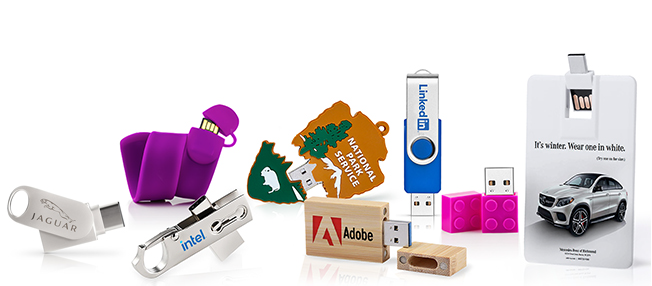
In addition to the internal components, the factory also sources housing materials. Depending on the customer’s request, casings may be made from plastic, aluminum, wood, leather, or silicone. For custom-shaped drives, the team may work with a mold manufacturer to create a unique form that reflects a brand or product.
Before production starts, all materials undergo strict incoming quality control (IQC) to ensure they meet manufacturing standards.
2. PCB and Chip Assembly
The heart of the USB flash drive lies in its PCB (Printed Circuit Board), which connects the flash memory chip, USB controller, and other essential components. At this stage, the factory uses automated SMT (Surface-Mount Technology) machines to place the chips precisely onto the board.
For smaller or waterproof USB designs, COB (Chip-On-Board) technology is used. In this method, the flash chip and controller are mounted directly on the board without using a standard IC package, saving space and enhancing durability.
This assembly process includes:
-
Solder paste printing
-
Component placement using pick-and-place machines
-
Reflow soldering in a controlled oven
-
Automated Optical Inspection (AOI) to detect soldering defects
Technicians supervise the production line to ensure every board meets strict technical specifications.
3. Firmware Programming and Capacity Testing
Once the PCB is assembled, each unit undergoes firmware programming. The controller chip is configured to define the USB flash drive’s functions—such as capacity (e.g., 8GB, 16GB, 32GB), USB version (2.0 or 3.0), and data transfer protocol.
The factory uses specialized equipment to verify that:
-
The actual usable memory matches the advertised capacity
-
The chip is not fake or downgraded
-
The read/write speed is within acceptable limits
Advanced tools can also simulate real-world use, writing and reading large volumes of data to test for endurance and performance.
Drives that fail these tests are either repaired or discarded, ensuring only high-performing units move forward.
4. Casing Assembly
After passing the initial functionality tests, the PCB is ready to be enclosed in its protective shell. Depending on the model, the casing can be snapped, screwed, or glued together. For waterproof drives, the sealing process is carefully executed to prevent moisture intrusion.
For custom-shaped USB drives, the PCBs are inserted into silicone or plastic molds that resemble company logos, products, mascots, or creative designs. The factory often provides clients with 3D rendering previews before full-scale production begins.
Throughout this step, workers inspect each unit to make sure the USB connector is properly aligned and securely held inside the casing.
5. Logo Printing and Customization
One of the most important parts of USB flash drive production—especially for corporate giveaways or retail branding—is customization. The factory offers a wide range of branding services, including:
-
Silk-screen printing for simple logos with 1–2 colors
-
UV printing for full-color designs
-
Laser engraving for elegant finishes on metal surfaces
-
Embossing/Debossing for leather casings
In addition, the factory can preload data into the USB drives. This includes:
-
PDF brochures
-
Videos or presentations
-
Software installers
-
Auto-run marketing files
Clients can also request password protection, encryption, or volume labeling (e.g., naming the drive after their brand).
6. Final Testing and Quality Control
Before packaging, each USB flash drive undergoes a final round of testing. Technicians insert the drives into multiple test ports to ensure:
-
Stable power delivery
-
Proper detection by Windows/macOS/Linux systems
-
Correct branding or logo placement
-
Proper casing assembly and no physical defects
Some factories use aging tests, running the drives for several hours in continuous read/write loops to confirm data stability. A strict AQL (Acceptable Quality Limit) standard is followed to maintain high consistency.
If any flaw is detected—cosmetic or functional—the drive is either corrected or rejected.
7. Packaging and Shipping
Once the USB drives are confirmed to be ready, they are cleaned, polished, and packed. The factory offers multiple packaging options, such as:
-
Individual polybags
-
Branded gift boxes
-
Custom blister packs
-
Eco-friendly boxes or tins
Each packaging type can also be printed with the client’s logo or promotional message.
The products are then boxed and palletized according to international shipping standards. Export documentation such as invoice, packing list, and certificate of origin are prepared by the factory’s logistics team.
Shipping methods include:
-
Air freight (fast delivery for urgent orders)
-
Sea freight (economical for bulk quantities)
-
Courier services (DHL, FedEx, UPS)
Clients are updated with tracking numbers and shipping schedules once the order is dispatched.
Conclusion About How USB Flash Drives Are Manufactured in a Chinese Factory
The USB flash drives produced in this Chinese factory are the result of a well-organized, technologically advanced, and quality-controlled process. Every step—from component selection and chip assembly to customization and global distribution—is handled by skilled teams supported by automated equipment and strict quality standards.
Thanks to years of experience, continuous investment in production technology, and a customer-first approach, this factory has earned its reputation as a trusted supplier for businesses around the world. Whether clients require promotional drives for an event, custom-shaped models for product launches, or encrypted USBs for secure data storage, the factory is capable of delivering tailored solutions at competitive prices.
By maintaining full control over the manufacturing process in-house, the factory ensures short lead times, consistent product quality, and the flexibility to meet both small and large order volumes. For companies looking to partner with a reliable USB flash drive manufacturer in China, this factory offers a proven track record and a clear advantage in the global market.

How Chinese USB Factories Ensure High-Quality Flash Drives
In today’s digital era, USB flash drives remain indispensable tools for data storage, transfer, and brand promotion. As global demand for reliable storage solutions grows, China has cemented its position as the world’s leading manufacturer of USB flash drives, supplying businesses and consumers across every continent. However, China USB Flash Drive Factory is operating in this competitive market, discerning buyers rightfully question: What separates exceptional USB manufacturers from mediocre ones?
The distinction lies in an uncompromising commitment to quality that permeates every stage of production. Leading Chinese USB manufacturers employ a holistic approach that combines premium materials, state-of-the-art manufacturing technology, rigorous testing protocols, and continuous process improvement. These factories understand that in an industry where data integrity is paramount, there is no room for compromise when it comes to reliability and performance.
This comprehensive guide examines the multi-layered quality assurance processes that set top-tier Chinese USB manufacturers apart, providing buyers with the knowledge needed to identify truly superior suppliers in a crowded marketplace.
1. Precision in Raw Material Selection
The foundation of any high-quality USB flash drive begins with its components. Reputable Chinese manufacturers implement stringent supplier qualification processes to ensure only the best materials enter their production lines:
-
Flash Memory Chips: Top factories exclusively use Grade A NAND flash from tier-one suppliers like Samsung, Kioxia (formerly Toshiba), Micron, or SK Hynix. These chips undergo thorough incoming inspection to verify authenticity and performance specifications.
-
Controller ICs: High-performance controllers from established brands (Phison, Silicon Motion, or Innostor) are selected based on rigorous compatibility testing with specific flash memory types.
-
Structural Components: From gold-plated connectors for optimal conductivity to military-grade PCB boards and impact-resistant housings, every physical component is chosen for durability and performance.
Manufacturers maintain detailed traceability systems, allowing them to track each component batch throughout the production process and quickly address any quality issues that may arise.
2. Advanced Manufacturing Processes
Modern Chinese USB factories employ automated production lines that combine precision engineering with quality control checkpoints:
Surface Mount Technology (SMT) Lines:
-
High-precision pick-and-place machines position microscopic components with accuracy measured in microns
-
Automated optical inspection (AOI) systems verify proper component placement before soldering
-
Reflow ovens with precise temperature profiles ensure perfect solder joints
Assembly and Encapsulation:
-
Automated dispensing systems apply exactly the right amount of epoxy for component protection
-
Laser engraving ensures permanent, high-resolution branding
-
Ultrasonic welding creates seamless, waterproof enclosures for rugged models
Clean Room Environments:
For high-capacity drives (256GB+), many manufacturers utilize clean rooms to prevent microscopic contaminants that could affect long-term reliability.
3. Comprehensive Testing Protocols
Quality assurance continues long after production with a battery of performance and reliability tests:
Functional Testing:
-
Full capacity verification using specialized software
-
Read/write speed testing across multiple host devices
-
Plug/unplug endurance testing (minimum 10,000 cycles)
Environmental Stress Testing:
-
Temperature cycling (-20°C to +85°C)
-
85% humidity exposure for 168 hours
-
Salt spray testing for corrosion resistance
Data Integrity Verification:
-
Extended burn-in testing with continuous read/write operations
-
Bit error rate monitoring
-
Long-term data retention testing
4. Continuous Quality Improvement
Leading manufacturers don’t just maintain standards—they actively elevate them through:
-
Six Sigma methodologies to reduce defects
-
Failure Mode and Effects Analysis (FMEA) to anticipate potential issues
-
Customer feedback loops that drive product enhancements
-
Quarterly process audits by internal and third-party quality teams
Conclusion
In the competitive landscape of USB flash drive manufacturing, Chinese factories that consistently deliver exceptional quality differentiate themselves through an unwavering commitment to excellence at every production stage. From the initial component selection to the final shipping inspection, these manufacturers implement systems and processes that would rival any global electronics producer.
For businesses that understand the true cost of unreliable storage—whether measured in lost data, damaged reputation, or missed opportunities—partnering with a manufacturer that upholds these rigorous standards is not just preferable, but essential. The extra diligence in supplier selection pays dividends in product performance, customer satisfaction, and ultimately, brand equity.
As USB technology continues to evolve with advancements in speed, capacity, and durability, China’s top manufacturers remain at the forefront—not just through scale and cost advantages, but through a genuine culture of quality that permeates their organizations. For buyers seeking storage solutions that truly deliver on their promises, these factories represent the gold standard in global USB production.